
Complete Nutrition Guide for Eye Health
Discover the science-backed nutrients and dietary strategies that protect your vision and support long-term eye wellness. Your eyes deserve the best nutrition.
The information on this site is for educational purposes only and does not constitute medical advice. Always consult a qualified healthcare professional before making health decisions.
Why Eye Nutrition Matters
People Globally
Experience vision impairment that could be improved through proper nutrition and eye care awareness.
Preventable Cases
Vision problems can be slowed or prevented with targeted dietary interventions and lifestyle choices.
Critical Nutrients
Vitamins, minerals, and antioxidants work together to maintain retinal health and visual clarity.
Prevention Works
Starting nutrition early significantly reduces age-related decline and maintains visual function throughout life.
Essential Nutrients for Vision
Your eyes rely on specific nutrients to function optimally. Let's explore the most important ones and how they protect your vision.

Lutein & Zeaxanthin: The Macula's Guardians
Lutein and zeaxanthin are carotenoids that accumulate in the macula lutea, the central region of the retina responsible for detailed vision. These yellow pigments act as natural sunglasses, filtering harmful blue light and protecting photoreceptor cells from oxidative stress.
Research demonstrates that adequate lutein and zeaxanthin intake is associated with reduced risk of age-related macular degeneration. Dark leafy greens like spinach, kale, and collard greens are among the richest dietary sources.
- Blue light protection: Filters harmful wavelengths from screens and sunlight
- Antioxidant defense: Neutralizes free radicals that damage retinal cells
- Vision clarity: Supports contrast sensitivity and visual acuity

Omega-3 Fatty Acids: Retinal Function Support
Docosahexaenoic acid (DHA), an omega-3 polyunsaturated fatty acid, comprises approximately 30% of retinal photoreceptor cell membranes. This structural component is essential for maintaining cell fluidity, supporting light-sensitive pigment function, and enabling efficient signal transmission from the eye to the brain.
Adequate omega-3 intake throughout life supports retinal development and may slow age-related decline. Fatty fish, plant-based sources like flaxseeds and walnuts, and algae supplements provide reliable dietary sources.
- Retinal structure: Essential building block for photoreceptor membranes
- Anti-inflammatory: Reduces chronic inflammation affecting eye tissue
- Tear production: Supports healthy tear film and reduces dry eye

Vitamins C & E: Antioxidant Shield
Vitamins C and E work synergistically as powerful antioxidants, protecting retinal cells from oxidative damage caused by free radicals. This damage accumulates over time and contributes to age-related vision decline. Vitamin C is particularly abundant in the lens and aqueous humor, where it prevents protein oxidation.
Studies suggest that higher dietary intake of these vitamins is associated with better long-term eye health outcomes. Citrus fruits, berries, nuts, seeds, and vegetable oils are excellent sources.
- Lens protection: Prevents cataract formation and progression
- Cellular repair: Supports ongoing maintenance of retinal structures
- Regeneration: Aids recovery of light-sensitive pigments
Key Nutrients for Optimal Eye Health
A comprehensive overview of the 13 critical nutrients your eyes need to maintain vision and resist age-related decline.
Vitamin A & Beta-Carotene
Essential for rhodopsin synthesis, the light-sensitive protein in retinal rods. Supports adaptation to low-light conditions and maintains corneal clarity.
Sources: Sweet potatoes, carrots, spinach, kale
Lutein & Zeaxanthin
Accumulate in the macula to filter blue light and protect central vision. Reduce risk of age-related macular degeneration through antioxidant action.
Sources: Spinach, kale, broccoli, Brussels sprouts
Anthocyanins
Water-soluble antioxidant pigments that cross the blood-retinal barrier. Support microvascular circulation and reduce retinal inflammation.
Sources: Blueberries, blackberries, red wine, purple grapes
Omega-3 Fatty Acids (DHA/EPA)
Comprise retinal cell membranes and support signal transmission. Essential for sustained visual function and tear film stability.
Sources: Salmon, mackerel, sardines, flaxseeds, walnuts
Vitamin C
Water-soluble antioxidant concentrated in the lens and aqueous humor. Protects against protein oxidation and supports collagen synthesis.
Sources: Citrus fruits, berries, kiwi, bell peppers, tomatoes
Vitamin E & Tocopherols
Fat-soluble antioxidant that protects retinal membrane lipids from peroxidation. Works synergistically with vitamin C for cellular defense.
Sources: Almonds, sunflower seeds, vegetable oils, spinach
Zinc & Copper
Cofactors for antioxidant enzymes (SOD, catalase) that neutralize free radicals. Zinc supports retinol transport and dark adaptation.
Sources: Oysters, beef, pumpkin seeds, chickpeas, cashews
Flavonoids & Polyphenols
Plant compounds with anti-inflammatory and antioxidant properties. Reduce vascular permeability and support retinal blood flow.
Sources: Green tea, dark chocolate, red wine, onions, apples
Lycopene
Carotenoid with strong antioxidant potency. Accumulates in retinal tissue and protects against oxidative stress and inflammation.
Sources: Tomatoes, watermelon, pink grapefruit, guava
Selenium
Mineral component of glutathione peroxidase, a critical antioxidant enzyme. Protects lens and retina from oxidative damage.
Sources: Brazil nuts, tuna, eggs, whole grains, mushrooms
Genistein & Isoflavones
Plant-derived polyphenols with neuroprotective and anti-inflammatory effects. Support vascular health and retinal function.
Sources: Soybeans, lentils, chickpeas, peas
Astaxanthin
Marine carotenoid with exceptional antioxidant strength. Crosses blood-retinal barrier and provides targeted retinal protection against fatigue.
Sources: Salmon, trout, krill, microalgae supplements
Resveratrol
Polyphenol with neuroprotective and anti-inflammatory properties. Supports vascular endothelial function and retinal blood flow regulation.
Sources: Red grapes, cranberries, blueberries, red wine, peanuts
Nutrient-Rich Foods for Eye Health
Explore a visual guide to the most effective foods for supporting your vision and maintaining long-term eye wellness.
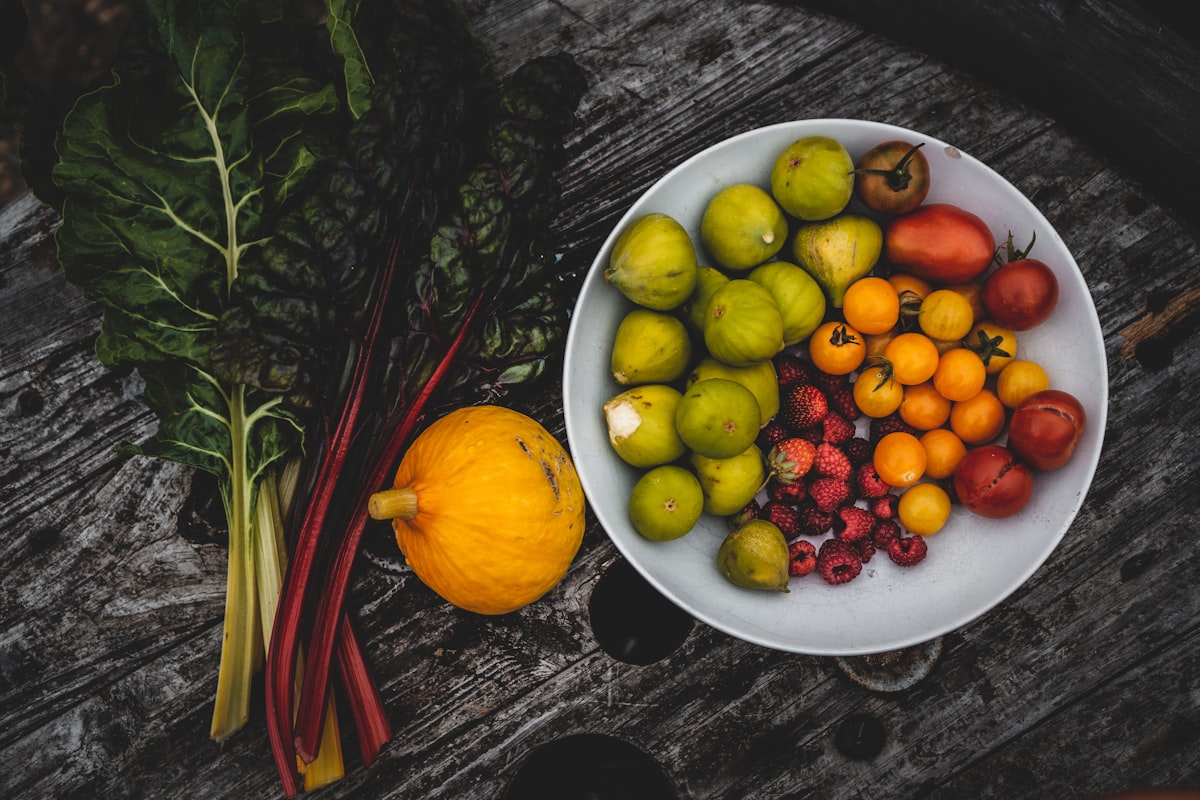
Dark Leafy Greens
Spinach, kale, collard greens, and Swiss chard are among the richest dietary sources of lutein and zeaxanthin. These nutrients directly accumulate in the macula and protect against blue light damage.
Key nutrients: Lutein, zeaxanthin, vitamin C, folate
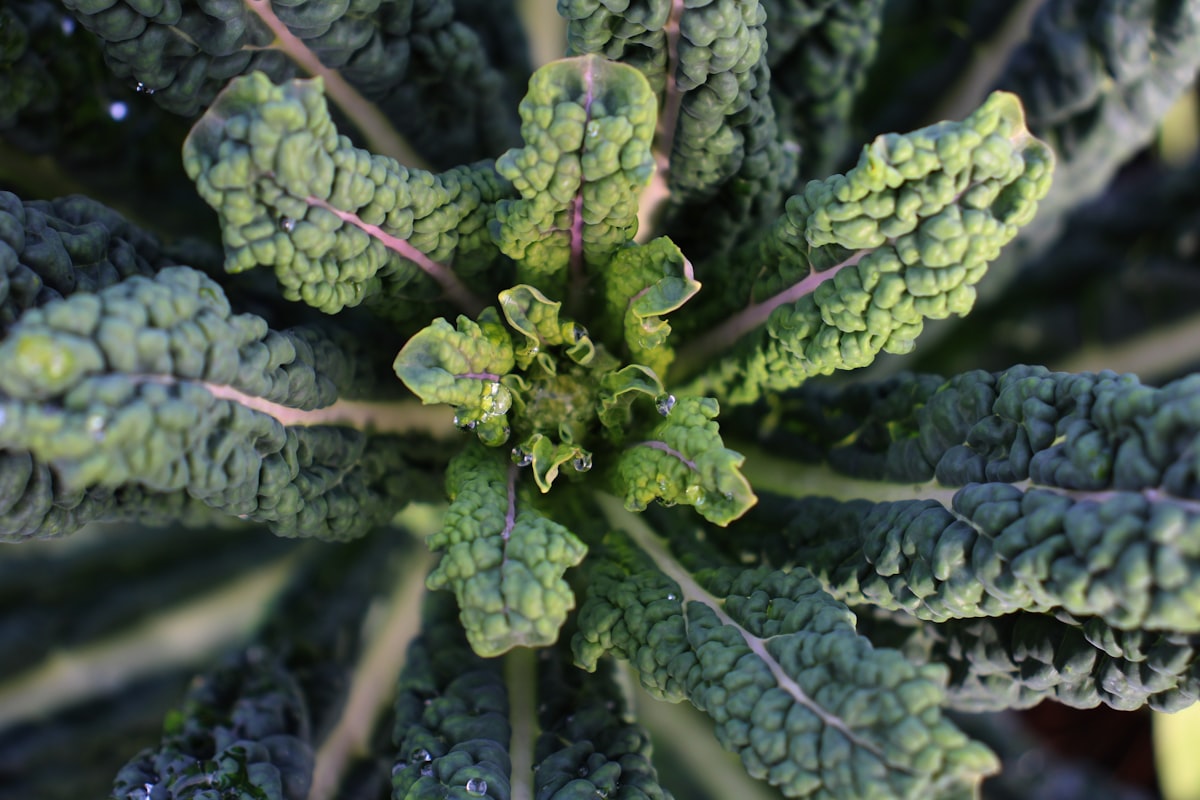
Fatty Fish
Salmon, mackerel, sardines, and trout are excellent sources of omega-3 fatty acids, particularly DHA. These essential fats support retinal structure and function throughout life.
Key nutrients: DHA, EPA, selenium, vitamin D
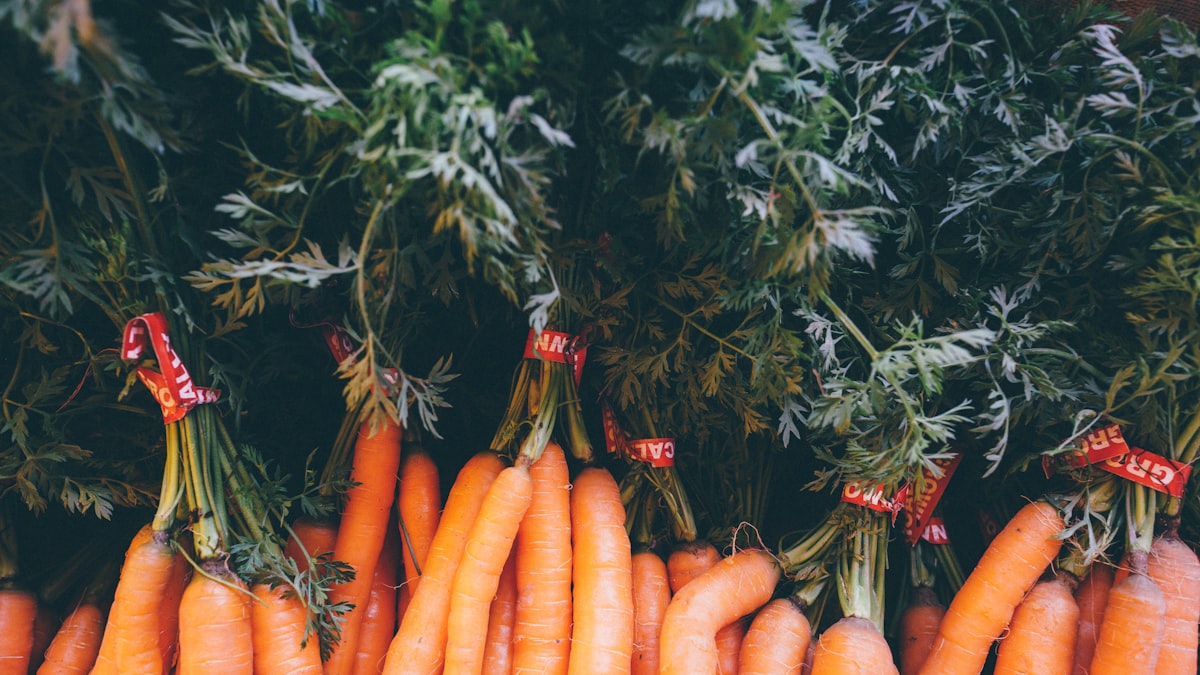
Berries
Blueberries, blackberries, and bilberries are rich in anthocyanins—powerful antioxidants that reduce retinal inflammation and support microvascular circulation.
Key nutrients: Anthocyanins, vitamin C, resveratrol

Tomatoes & Tomato Products
Cooked tomatoes provide highly bioavailable lycopene, a carotenoid that accumulates in retinal tissue. Cooking increases lycopene absorption significantly.
Key nutrients: Lycopene, vitamin C, potassium
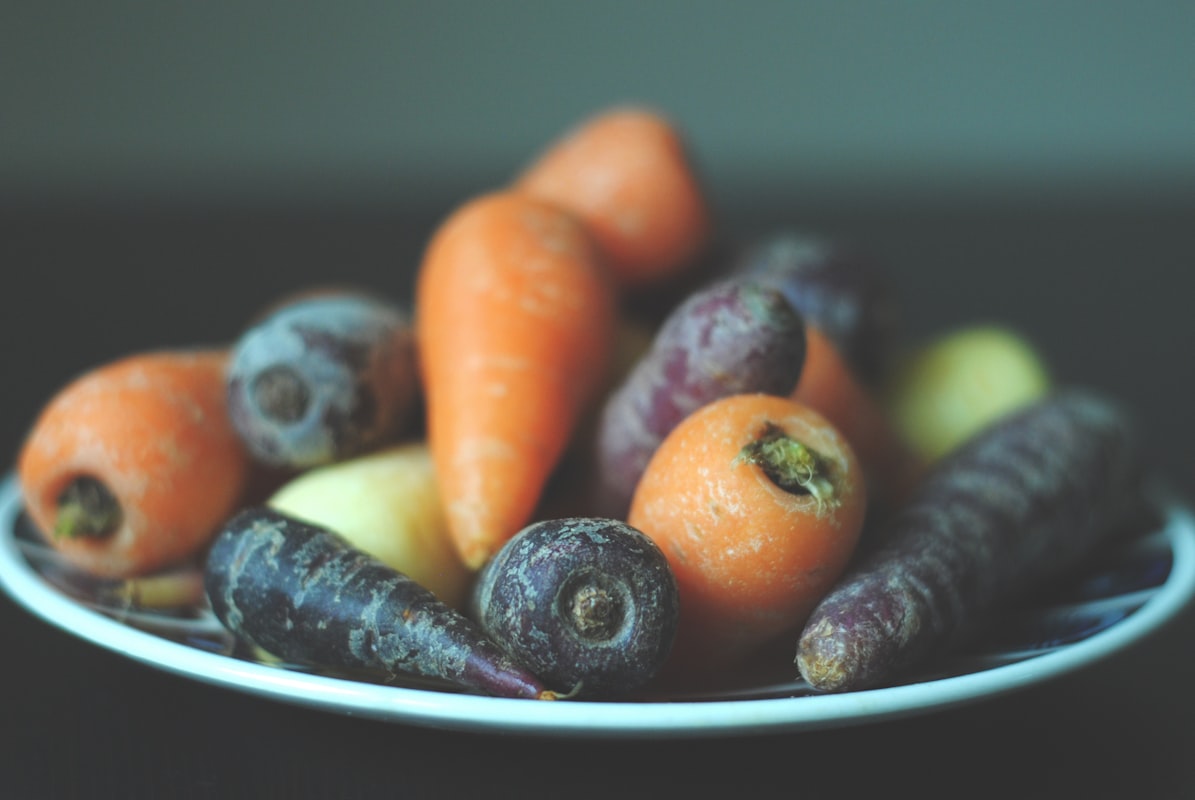
Nuts & Seeds
Almonds, sunflower seeds, walnuts, and flaxseeds provide vitamin E, selenium, and plant-based omega-3s. These nutrients work together to protect retinal cells from oxidative damage.
Key nutrients: Vitamin E, selenium, ALA omega-3s
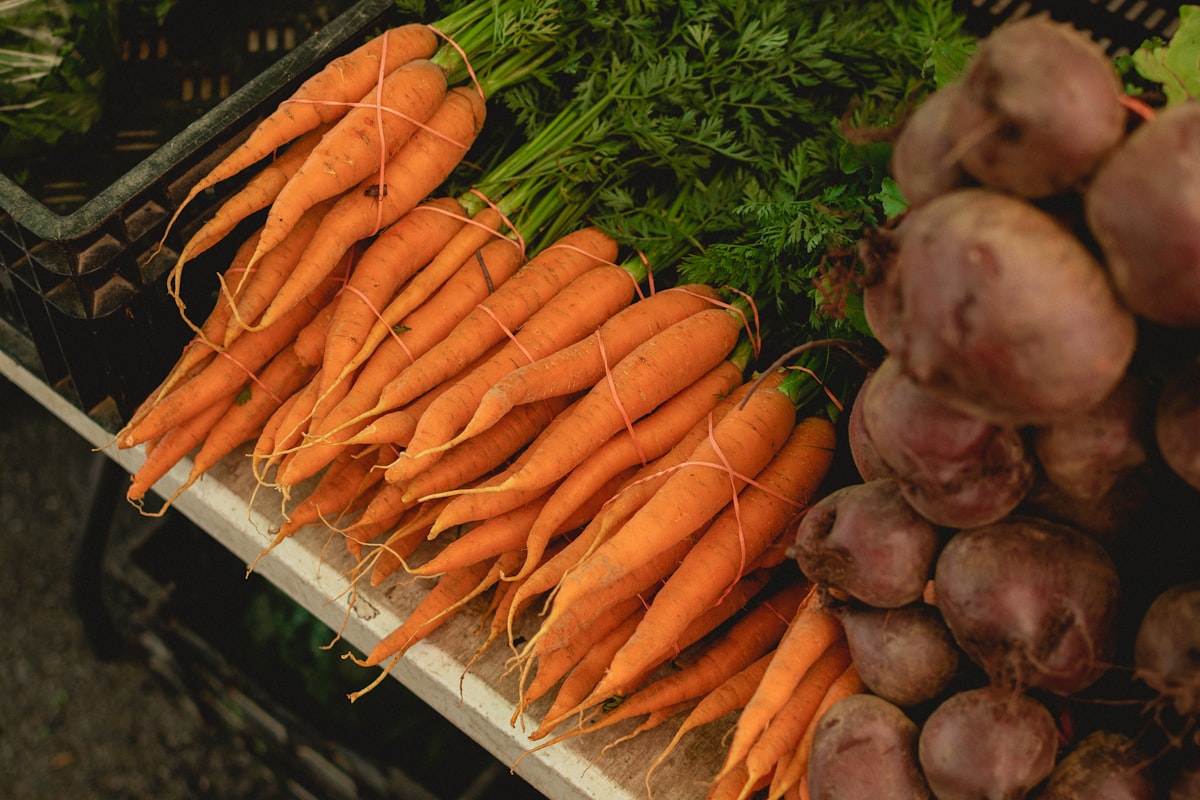
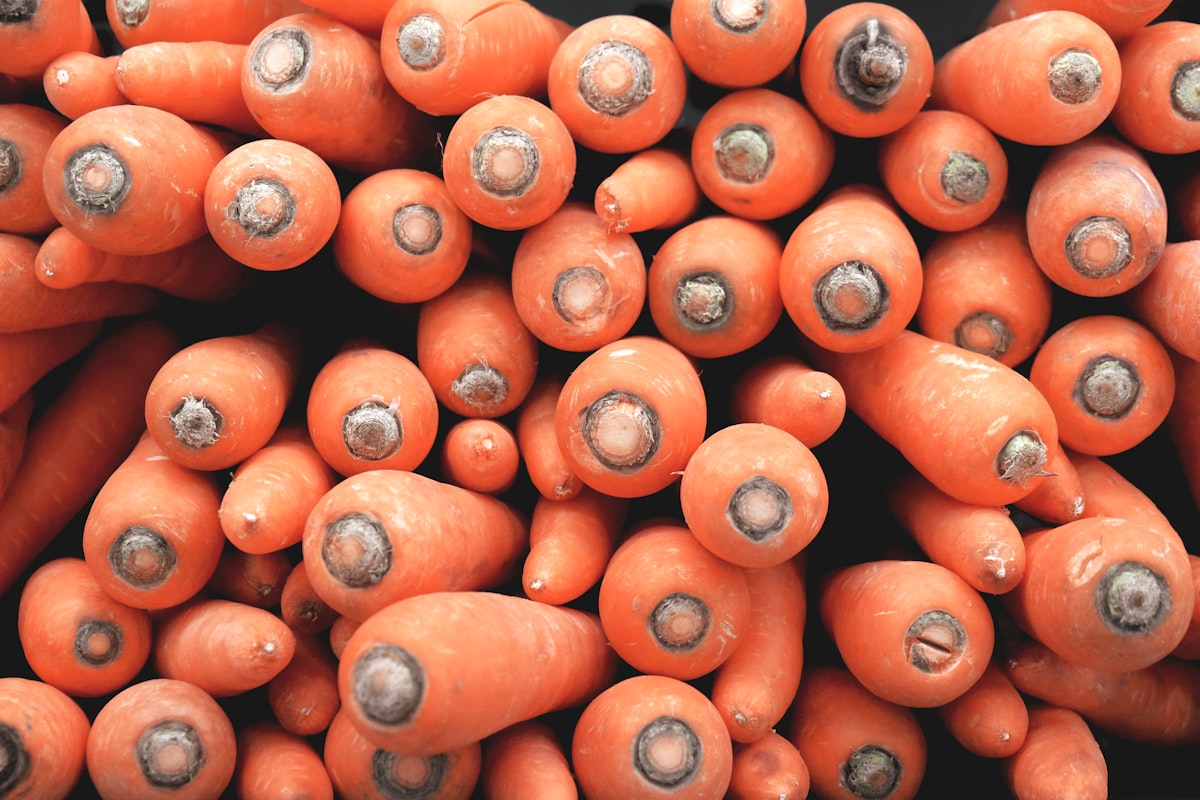
Citrus & Orange Vegetables
Oranges, lemons, carrots, and sweet potatoes are rich in vitamin C and beta-carotene. These nutrients support lens clarity and protect against age-related macular degeneration.
Key nutrients: Vitamin C, beta-carotene, folate
Eggs
Eggs contain lutein, zeaxanthin, and the compound choline. The lutein in eggs is particularly bioavailable because of the accompanying fats that enhance absorption in the digestive tract.
Key nutrients: Lutein, zeaxanthin, choline, selenium
Legumes & Beans
Lentils, chickpeas, and black beans provide isoflavones, zinc, and polyphenols. These plant compounds support vascular health and reduce chronic inflammation affecting retinal function.
Key nutrients: Isoflavones, zinc, fiber, polyphenols
Green Tea & Beverages
Green tea contains catechins and flavonoids with proven neuroprotective effects. Regular consumption is associated with better long-term eye health outcomes in epidemiological studies.
Key nutrients: Catechins, EGCG, L-theanine, polyphenols
Practical Eye Health Nutrition Strategy
A Day's Worth of Eye-Healthy Eating
Breakfast
Scrambled eggs with spinach and whole-grain toast. Orange juice provides vitamin C, while the egg yolks deliver lutein, zeaxanthin, and selenium for immediate antioxidant support.
Mid-Morning Snack
A handful of almonds and blueberries. This combination provides vitamin E, selenium, zinc, and anthocyanins to protect retinal cells from oxidative stress throughout the day.
Lunch
Grilled salmon with kale salad and sweet potato. This meal delivers omega-3 fatty acids, lutein, zeaxanthin, beta-carotene, and vitamin C for comprehensive eye nutrition.
Afternoon Snack
Carrot sticks with hummus. Carrots provide beta-carotene, while chickpea-based hummus adds zinc, isoflavones, and additional plant polyphenols for sustained protection.
Dinner
Tomato-based pasta with white beans and olive oil. Cooked tomatoes provide lycopene, beans deliver selenium and zinc, while olive oil enhances fat-soluble nutrient absorption.

Key Nutrition Principles
-
Variety is Essential
Different colored foods provide different antioxidants. Aim for a rainbow on your plate daily.
-
Combine Nutrients
Fat-soluble nutrients like lutein absorb better with dietary fat. Include healthy oils with meals.
-
Consistency Over Perfection
Long-term dietary patterns matter more than individual meals. Build sustainable habits.
-
Whole Foods First
Unprocessed foods provide nutrient synergies that supplements cannot fully replicate.
Frequently Asked Questions About Eye Nutrition
Most people notice subtle improvements within 2-4 weeks of consistent dietary changes. However, significant improvements in vision clarity, reduced eye strain, and better night vision typically take 8-12 weeks. Results vary based on individual factors like age, existing eye health, and consistency with nutritional changes.
Yes, research shows that certain nutrients—particularly lutein, zeaxanthin, and antioxidants—can help slow the progression of age-related macular degeneration (AMD). While nutrition cannot reverse existing damage, a nutrient-rich diet can significantly reduce the risk of developing AMD and support overall eye health as you age.
While whole foods are always the preferred source of nutrients due to their complete nutrient profiles and bioavailability, supplements can be beneficial when dietary intake is insufficient. Ideally, aim to get 80% of your eye nutrients from food sources and use supplements to fill any remaining gaps. Consult with a healthcare provider before starting any supplement regimen.
Extended screen exposure can cause digital eye strain, though research on blue light damage is ongoing. Antioxidant-rich foods, omega-3 fatty acids, and lutein-containing greens can help protect your eyes from oxidative stress related to screen time. Combine nutritional support with the 20-20-20 rule: every 20 minutes, look at something 20 feet away for 20 seconds.
Ready to Transform Your Eye Health?
Join the Clean Eating Challenge and discover how the right nutrition can enhance your vision and overall wellness. Start your journey today!
Cleaneatingchallengeay
Empowering healthier vision and lifestyle through clean eating and proper nutrition.
Support
© 2024 Cleaneatingchallengeay. All rights reserved. Committed to your health and vision.