
Complete Nutrition Guide for Eye Health
Essential nutrients, proven strategies, and comprehensive insights to support optimal vision and eye function through clean eating principles.
The information on this site is for educational purposes only and does not constitute medical advice. Always consult a qualified healthcare professional before making health decisions.
Why Eye Nutrition Matters
of vision problems can be supported through proper nutrition and lifestyle habits.
essential micronutrients directly impact retinal health and visual function.
earlier decline can be prevented with consistent nutrient-rich eating patterns.
antioxidant protection your eyes receive from phytonutrient-rich whole foods.
Essential Nutrients for Vision
Understanding which nutrients protect your eyes and where to find them in clean, whole foods is the foundation of eye health.
Lutein & Zeaxanthin
These carotenoid pigments filter harmful blue light and accumulate in the macula, the central region of your retina responsible for sharp vision. They act as natural sunglasses protecting sensitive eye tissues.
Top Sources:
- Leafy greens (spinach, kale, collards)
- Broccoli and Brussels sprouts
- Peas and corn
Anthocyanins
Powerful antioxidants found in dark berries that reduce oxidative stress in eye tissue. They improve blood flow to the retina and support visual clarity, particularly in low-light conditions and during prolonged screen use.
Top Sources:
- Blueberries and blackberries
- Bilberries and dark cherries
- Purple grapes and acai
Omega-3 Fatty Acids
Essential fatty acids that form structural components of the retina and support cellular function. They reduce inflammation in eye tissues and promote healthy tear production, critical for comfortable vision.
Top Sources:
- Fatty fish (salmon, sardines, mackerel)
- Flaxseeds and chia seeds
- Walnuts and hemp seeds
Vitamin C
A powerful antioxidant that protects the lens from oxidative damage and supports collagen production in eye tissues. Vitamin C levels are naturally highest in the aqueous humor of healthy eyes.
Top Sources:
- Citrus fruits and berries
- Bell peppers and kiwi
- Papaya and mango
Vitamin E
A fat-soluble antioxidant that protects cell membranes in the eye from free radical damage. Works synergistically with other nutrients to maintain healthy vision and slow age-related changes in eye tissue.
Top Sources:
- Almonds and sunflower seeds
- Olive oil and avocado oil
- Spinach and sweet potato
Zinc
An essential mineral that helps vitamin A absorption and supports night vision. The retina contains the highest zinc concentration in the body, making adequate intake crucial for visual acuity and eye health.
Top Sources:
- Pumpkin seeds and oysters
- Chickpeas and cashews
- Grass-fed beef and legumes
Vitamin A: The Vision Supernutrient
Vitamin A is perhaps the most critical nutrient for eye health. It forms the basis of rhodopsin, the pigment in your retina that allows you to see in dim light. Without adequate vitamin A, your eyes cannot function properly, and vision decline becomes inevitable.
There are two main forms of vitamin A: preformed vitamin A (retinol) found in animal products, and provitamin A (beta-carotene) found in plant foods. Your body converts beta-carotene into retinol as needed, making both sources valuable for comprehensive eye nutrition.
Maintains Retinal Function
Vitamin A enables photoreceptors to respond to light and send signals to the brain for clear vision.
Supports Corneal Health
Keeps the cornea clear and prevents dryness by maintaining healthy tear production and epithelial tissue.
Prevents Macular Degeneration
Protects the macula from oxidative damage, the leading cause of age-related vision changes.
Daily Intake Recommendation:
Men: 900 mcg RAE | Women: 700 mcg RAE | 1 large sweet potato provides approximately 1,000 mcg RAE
Food Categories for Eye Health
Different food groups provide complementary nutrients. Combining them optimizes absorption and provides comprehensive eye support.
Dark Leafy Greens
The absolute powerhouses for eye nutrition. Rich in lutein, zeaxanthin, and vitamin C, these foods should form the foundation of an eye-healthy diet.
Key nutrients:
- Lutein & Zeaxanthin
- Vitamin C & K
- Folate & Magnesium
- Iron & Calcium
Include: spinach, kale, collards, arugula daily
Colorful Berries
The darker the berry, the more anthocyanins and antioxidants it contains. These support retinal blood flow and reduce inflammation throughout eye tissue.
Key nutrients:
- Anthocyanins
- Vitamin C & E
- Resveratrol
- Quercetin
Include: blueberries, blackberries, bilberries regularly
Fatty Fish & Seeds
Essential sources of omega-3 fatty acids critical for retinal structure and tear film stability. Essential for maintaining moisture and reducing discomfort.
Key nutrients:
- Omega-3 (EPA & DHA)
- Vitamin D
- Selenium
- Astaxanthin (in salmon)
Include: salmon, sardines, flax, chia 2-3x weekly
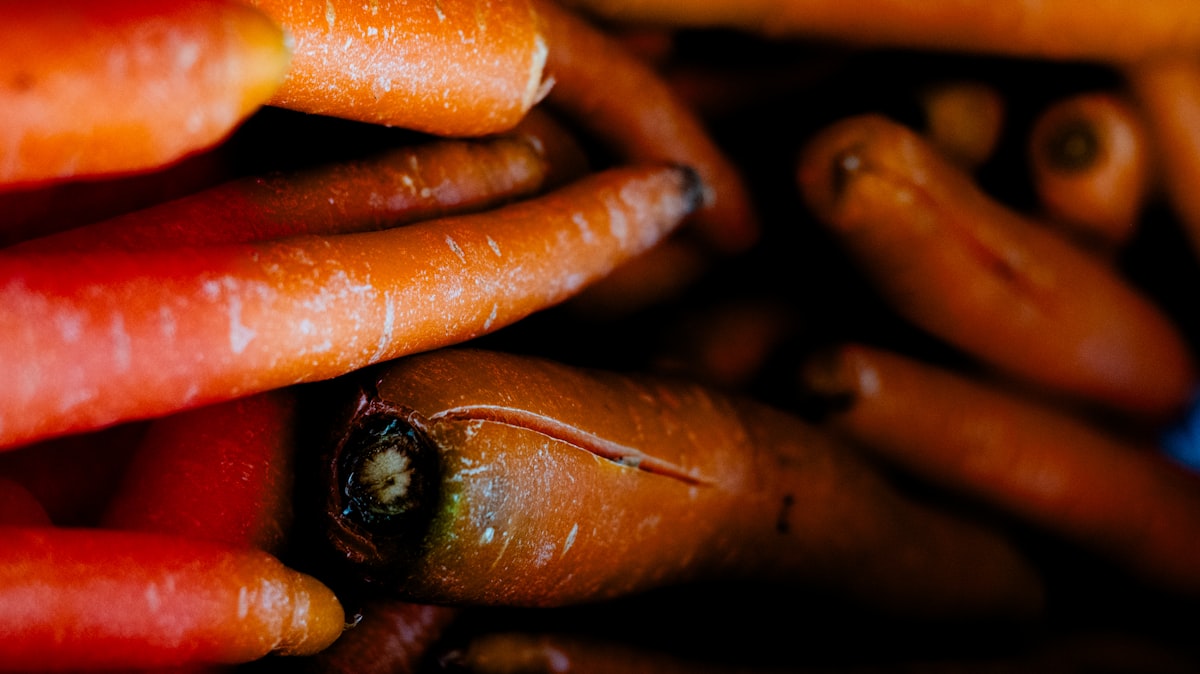
Orange & Yellow Produce
Vibrant colors signal beta-carotene content, which your body converts to vitamin A. These vegetables provide sustained eye nutrient support throughout the day.
Key nutrients:
- Beta-carotene
- Vitamin C
- Potassium
- Fiber
Include: sweet potato, pumpkin, carrots, squash daily
Nuts & Seeds
Concentrated sources of vitamin E and trace minerals like zinc. The healthy fats in nuts enhance absorption of fat-soluble eye nutrients from other foods.
Key nutrients:
- Vitamin E
- Zinc & Selenium
- Polyphenols
- Healthy fats
Include: almonds, sunflower seeds, walnuts, pumpkin seeds
Whole Grains & Legumes
Rich in B vitamins that support energy production in photoreceptors. Legumes provide plant-based zinc and support stable blood sugar for consistent eye function.
Key nutrients:
- B vitamins
- Zinc & Iron
- Magnesium
- Polyphenols
Include: quinoa, lentils, chickpeas, brown rice regularly
How to Maximize Nutrient Absorption
Eating eye-healthy foods is only half the equation. How you prepare and combine them determines how much nutrition your eyes actually receive.
Pair with Healthy Fats
Lutein, zeaxanthin, and vitamins A, D, E, and K are fat-soluble. Combine leafy greens with olive oil, avocado, or nuts to enhance absorption by up to 5x.
Cook Lightly When Possible
Light cooking breaks down cell walls and releases carotenoids. Steaming for 3-5 minutes or lightly sautéing increases bioavailability without destroying nutrients.
Eat Fresh & Raw Too
Raw vegetables retain heat-sensitive vitamins like C. Mix cooked and raw vegetables throughout your day for maximum nutrient variety.
Eat with Protein
Protein aids the absorption of many nutrients and helps stabilize blood sugar. Combine your eye-healthy foods with lean meats, legumes, or plant-based proteins.
Absorption Boosters
Pro Tip: Combining foods strategically can nearly double your nutrient absorption, making every bite count for eye health.